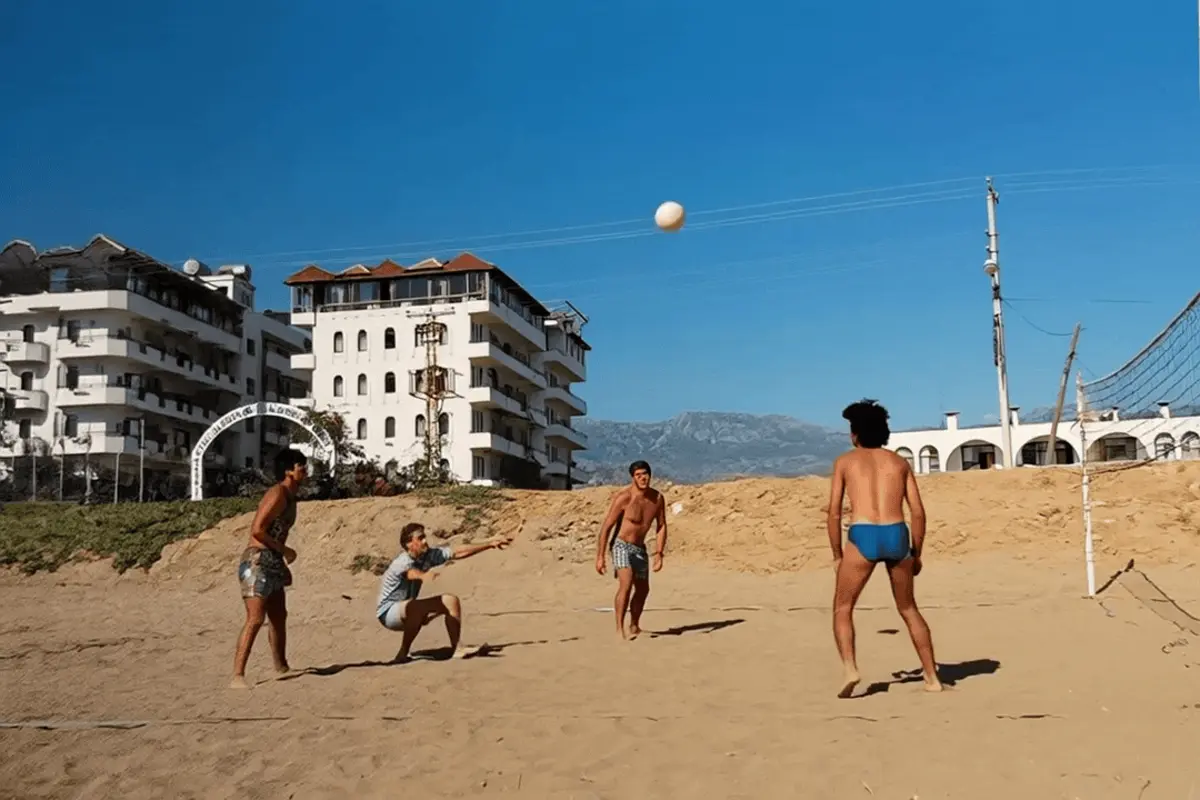
The best place to start is often a photograph you recognise immediately: a person, a place or a day you want to spend more time with. It does not need to mark a major event.
Meaning and technical clarity are different questions. An important photograph may be badly damaged; a sharp photograph may mean little to you. Look for a starting image that offers both something personal and enough visible information to work with.
Make a shortlist of three
Choose one portrait, one shared moment and one place, if those are available. Ask what draws you to each. Do you want to notice a face, revisit a setting or show someone a connection between people? Naming that intention makes the choice less abstract.
You do not need to animate the oldest or most dramatic photograph. An ordinary garden picture can have a clearer subject and more personal context than an elaborate formal portrait whose people you cannot identify.
Compare the visible information
Look at faces, important objects and the setting at a useful size. Check whether glare, blur or damage covers what matters. Prefer a better scan of the same image when one exists. A larger file is not automatically a clearer source.
Portraits place attention on one face. Group images require you to review several people. Places can invite environmental motion without a close facial likeness, but architecture and background details can still change in a generated video.
Imagine one modest movement
Ask whether you can describe a small change that belongs in the photograph: a slight head movement, a calm group scene or trees moving by a familiar house. If your idea requires a new person, a new angle or an event outside the frame, the result will depend more on invention.
Movement and ambient sound are created for the video. They do not recover the original day. Choose an image you are comfortable seeing interpreted, especially when the person is someone you miss or the memory is sensitive.
Keep the decision small
Begin with one image and review the result before planning a whole collection. Six seconds uses one from your allowance and ten seconds uses two, with animation and ambient sound. There is no need to create all three shortlist candidates to decide which photograph matters most.
- Write a sentence about why each candidate matters.
- Check clarity where the important subject appears.
- Choose one simple motion idea, or leave direction empty.
- Confirm you can use and are comfortable animating the photograph.
- Keep an original copy and prepare the chosen image for upload.